
Okay, so check this out—DeFi is growing sideways and upward at the same time. Wow! Most folks talk about yield and tokenomics. But somethin’ else keeps nagging me: the actual tool you use to interact with contracts matters more than we admit. Seriously? Yes. My gut said wallets were commoditized, but then I dug in and realized they’re the interface between you and a billion lines of code. That changes the stakes.
Here’s the thing. You can hop chains and bridge assets in seconds, but one mis-simulated swap or a misunderstood approval and your funds are gone. Whoa! Many wallets are fast, some are secure, and very few do both well. I’m biased, but that tension is the real battleground for DeFi adoption. On one hand people want seamless multi‑chain access; on the other hand, smart contract complexity means more ways to mess up—accidentally or not.
Let me walk you through where wallets usually fail, and why multi‑chain design plus transaction simulation is the practical answer. Hmm… this part bugs me. It should’ve been solved years ago, though actually it’s getting better fast—thanks to a new generation of wallets that treat simulation and safety as first‑class features.
Why multi‑chain matters beyond “access”
Short answer: interoperability without smart UX is a trap. Long answer: DeFi protocols are fragmented across EVM chains, layer 2s, and rollups, and each environment has different gas quirks, nonce behaviors, token standards, and bridging assumptions. That matters because a single bad nonce or an approval that spans chains can leak funds. Seriously?
Think about cross‑chain bridges. They’re miracle tech, but they add state transitions that most wallets gloss over. Initially I thought bridging was just a network call, but then I realized the UX needs to show the full lifecycle: lock, mint, monitor finality, and handle rollbacks. Actually, wait—let me rephrase that: a wallet should give you a play-by-play, not just a “bridge successful” toast. My instinct said transparency matters more than speed; that’s still true.
So multi‑chain capability isn’t about checking a box that says “I support Polygon.” It’s about giving accurate, chain‑aware previews and fail‑safes across environments. On one hand users want low friction. On the other hand, they need guardrails—especially when interacting with composable smart contracts where a single call can spawn many sub‑calls, each with risk.
Where wallets break — and how simulation helps
Most wallets treat a transaction as an opaque operation: sign it, submit it, wait for the receipt. That model worked for simple transfers. It breaks for DeFi. Wow! Without simulation, you don’t see the slippage chain reactions, execution paths, or contract calls that change approvals or move funds you didn’t expect.
Transaction simulation acts like a rehearsal. It runs the transaction through a dry‑run on the target chain (or a compatible node) and reports back: what contracts you’ll touch, how gas will be consumed, and what on‑chain state will change. Hmm… that’s a big deal. Because now you can detect front‑running risks, sandwich vulnerability windows, or mispriced slippage before you commit. I’m not 100% sure we can catch everything, but simulations reduce surprise events a lot.
Picture this: you approve an allowance for a DEX router and then execute a multihop swap. A good wallet simulates both calls together, flags an approval that’s broader than needed, and suggests a scoped allowance. It also shows the probable effective price after routing fees and expected gas. That kind of visibility is the difference between an informed user and a confused one.
Design patterns that actually protect users
There are practical UX and security patterns that matter. Short list: scoped approvals, batched transaction simulation, RPC diversity, and nonce management. Scoped approvals limit token allowances to the minimum—simple, but rarely enforced by default. Whoa!
Batch simulation is underrated. Initially I thought single‑tx previews were enough. But many DeFi interactions are sequences: approve, then swap, then deposit. Simulating the batch reveals emergent behaviors that one‑by‑one checks miss. On one hand this increases complexity for the wallet. On the other hand it prevents the “I approved too much and got drained” horror stories that haunt folks. That tradeoff leans heavily toward safety.
Also, diversified RPC endpoints and read‑only nodes matter. If your wallet uses a single node with stale state, simulation is worthless. A robust wallet aggregates nodes, falls back when needed, and shows the freshest state. This ties to multi‑chain management because each chain needs its own node strategy—L2s behave differently than mainnets, and rollups have unique finality cues.
Smart contract interactions — don’t be casual
Interacting with contracts is like entering a lane with no visible guardrails. You might be fine. Or you might collide with a reentrancy issue you never saw in the audit report. Hmm… slightly dramatic, but you get the point. Wallets must provide meaning, not mystique.
A good multi‑chain wallet parses the ABI (if available), labels functions clearly, and shows decoded parameters. It warns about delegatecall abuse, contract creation signatures, and proxy upgrades. It also lets advanced users dive into raw calldata, but only after a clear explanation—so newbies don’t sign the wrong thing by accident.
I’ll be honest: some wallet UX assumes users understand gas optimizations and nonce handling. That assumption is false. Show them a simple default, and then offer an advanced panel. This part bugs me—wallets get prideful about minimalism and forget that minimalism without context is dangerous.
Real‑world scenarios: three short stories
1) The Approver. A user approved a DEX router for unlimited allowance to avoid friction. Then a malicious contract tricked the router into calling a rogue transfer. Simulation would have flagged an overbroad allowance and suggested a per‑swap signer. Lesson: scoped approvals save money and dignity. Seriously?
2) The Bridge Runner. A fast bridge returned a success toast, but the mint on the receiving chain was delayed due to finality differences. Funds appeared after multiple retries, incurring duplicate gas and stress. A wallet that simulates the entire cross‑chain flow and reflects finality expectations would have set proper user expectations. Something felt off at the time…
3) The Complex DeFi Stack. A user invoked a vault’s “deposit” which internally called swaps across two routers and an aggregator. Gas spiked and slippage made the position useless. Batched simulation would have shown the chained slippage and recommended splitting the operation. Not a flawless solution, but better than blind signing.
Where the product market is moving
Companies building modern wallets are doing three things well: they integrate simulation into the signing flow, they support multi‑chain nuances (from gas tokens to block time), and they bake in educational nudges. A wallet linking a clear simulation view to the signature modal reduces cognitive load and increases trust. I’m biased toward wallets that are transparent—no black boxes.
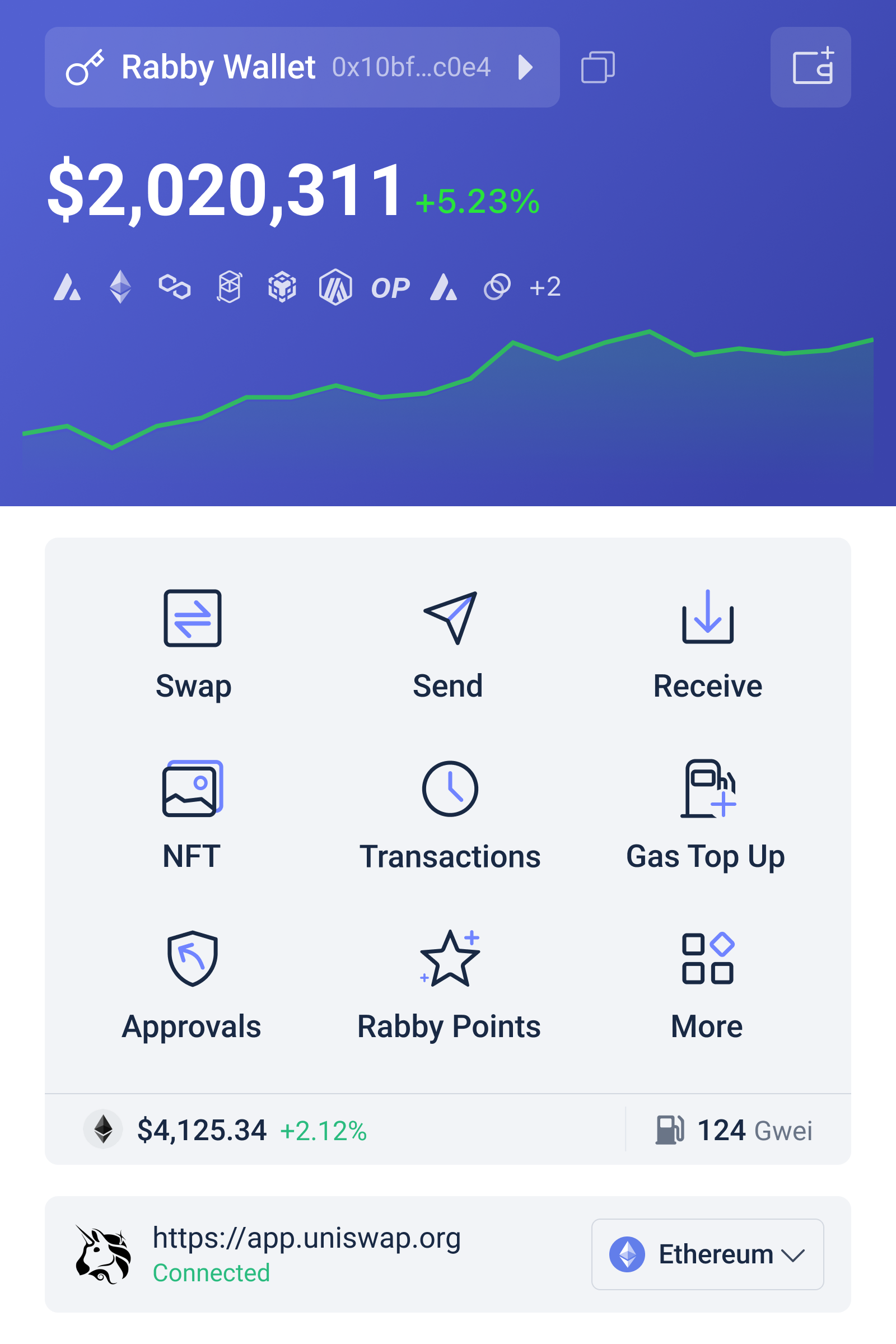
That’s why I recommend trying out wallets that explicitly advertise transaction previews and contract decoding. If you want a practical starting point, check out rabby wallet—they put simulation and multi‑chain UX front and center. Not an ad, just my experience; they get several things right, and they keep iterating.
Tips for advanced DeFi users
– Use scoped approvals by default. Even if it’s one more click, it’s worth it.
– Always simulate batches when possible. It reduces surprise costs.
– Keep separate accounts for high‑risk interactions and passive holdings. Isolation matters.
– Prefer wallets that let you inspect calldata and decode ABIs. You’ll catch weird params.
– Watch gas tokens and avoid swapping during congested times unless necessary.
All of this sounds like busywork, and honestly, sometimes it is. But the moments you do the small safety checks are the moments you avoid very very expensive mistakes. I’m not preaching perfection—I’m arguing for practical hygiene.
FAQ
Q: Are transaction simulations foolproof?
A: No. Simulations reduce risk but can’t predict every external actor (like MEV bots) or off‑chain oracle changes that happen between simulation and inclusion. They do, however, surface most common failure modes and dangerous approvals. Use them as a safety layer, not a guarantee.
Q: How do I choose a multi‑chain wallet?
A: Look for strong simulation features, transparent contract decoding, and clear handling of chain‑specific behaviors. Also check for regular security audits and an active dev community. Try workflows like bridging + swap + deposit in a test amount first.