
Keep a detailed log of what you drink and how your body reacts to pinpoint patterns. For instance, sulfites in wine or histamines in beer might be the culprits. Once identified, avoid these beverages entirely or opt for low-histamine or organic alternatives, which often contain fewer additives. Alcohol intolerance manifests through a distinct set of symptoms that arise shortly after consuming even small amounts of alcohol. Recognizing these signs is crucial for distinguishing intolerance from other alcohol-related issues. If you feel unwell or experience unpleasant or uncomfortable symptoms after drinking alcohol, it can be easy to dismiss them as simply the normal effects that come after having a drink.
Genetic Testing:

Alcohol intolerance occurs when the body doesn’t have the proper enzymes to metabolize the toxins in alcohol. This is caused by genetic traits most commonly found in Asian people. A true alcohol allergy is rare and not the same as alcohol intolerance.
If you’re dependent on alcohol, quitting abruptly will relieve the symptoms of intolerance but can bring on severe withdrawal symptoms. After a few drinks, some people begin to experience symptoms similar to a vegetovascular dystonia attack, an allergic reaction, or other illnesses. Often they don’t even realize that these unpleasant side effects are caused by alcohol. The best way to prevent an adverse reaction is to avoid any item containing alcohol. This includes alcoholic beverages (wine, beer, and spirits), as well as other culinary or medicinal products with alcoholic content. Your doctor also may recommend that you stop drinking all alcoholic beverages for a while.
Carelon Behavioral Health Coverage for Drug & Alcohol Rehab

Alcohol intolerance is an immediate and unpleasant reaction to consuming alcohol. It typically occurs because the body lacks the ability to properly break down alcohol or one of its constituents. Alcohol intolerance can cause an immediate or delayed reaction, with delayed reactions sometimes occurring 20 to 30 minutes after alcohol consumption, according to the ME Association. If you have histamine intolerance, you may experience worse symptoms after consuming alcohol with a high histamine content. Thorough medical evaluations to diagnose alcohol intolerance and any related health conditions.
What are the Common Causes and Risk Factors of Alcohol Intolerance?
If not, limiting intake and choosing beverages with fewer congeners and chemicals helps manage symptoms. High quality and affordable health care is available on your schedule. Our board-certified providers can perform an exam, evaluate your symptoms, and test you for allergies to create a personalized treatment plan.
Symptoms of Alcohol Intolerance
If you’re unsure whether you have an intolerance or allergy, start by eliminating alcohol for a week and reintroducing it gradually while monitoring symptoms. Consulting a healthcare provider is always recommended for a definitive diagnosis and personalized advice. Another common trigger is histamine and sulfites, naturally occurring compounds in alcoholic beverages. Red wine, for instance, contains high levels of histamine, which can provoke intolerance symptoms in those with histamine sensitivity. Similarly, sulfites, used as preservatives in wine and beer, can cause allergic reactions in susceptible individuals. If your symptoms appear after consuming specific types of alcohol, such as wine or beer, histamines or sulfites might be the trigger.
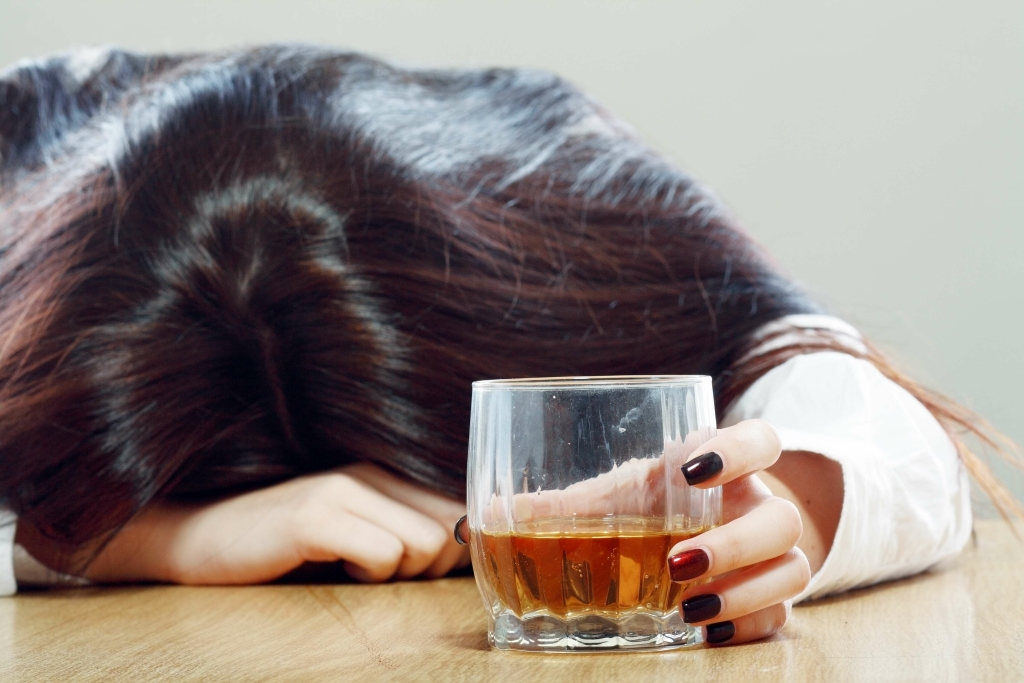
What Are the Risks of Alcohol Sensitivity?
The risk is elevated due to the accumulation of acetaldehyde, a known carcinogen. You will have the option to discuss your results with an independent physician at no extra cost. Access videos and webinars delivered by key experts in the field of allergy.
Overall, these symptoms reflect the body’s struggle to process alcohol what is alcohol intolerance normally and highlight the importance of avoiding alcohol to prevent these unpleasant reactions. Since alcohol intolerance is a lifelong hereditary condition caused mainly by genetic enzyme deficiencies, managing symptoms primarily involves abstaining from alcohol. Understanding the difference is crucial for managing symptoms effectively.
Intolerance symptoms usually appear within minutes to hours of drinking and are localized to the digestive system or skin. Allergy symptoms, on the other hand, can be systemic and include swelling, difficulty breathing, or dizziness. For intolerance, over-the-counter antihistamines or medications like H2 blockers may alleviate mild symptoms, but they are not a cure. For allergies, carrying an epinephrine auto-injector is essential if anaphylaxis is a risk.
- The body produces antibodies, and when they encounter alcohol, they set off a systemic allergic reaction.
- Moreover, alcohol causes inflammation and irritation of the stomach lining.
- He obtained his medical degree from West Virginia University where he also completed his residency training, finishing as chief resident.
- These medications work by blocking histamine receptors and reducing allergic reactions.
- Once your liver function is affected, this will soon start to affect the rate at which it can metabolise other medicines, affecting your overall health and nutrition levels.
- Your skin’s reaction can help them determine whether you have an allergy.
- Alcohol allergy is an immune system response, resulting in symptoms such as rashes, itchiness, swelling, severe stomach cramps, difficulty breathing, coughing, and in severe cases, anaphylaxis.
- However, alcohol intolerance can affect people of all races and ethnicities.
Of the common ingredients found in alcohol, gluten, grapes, wheat, and hops are all frequent triggers of inflammation and an underlying cause of alcohol intolerance symptoms. Certain people may find that they cannot comfortably consume such things as seafood proteins, egg protein, or barley found in their favourite alcoholic beverages. These ingredients are often hidden, and it’s not always easy to understand what might be causing a reaction. Whether you’re drinking beer, wine or hard liquor, the symptoms of alcohol intolerance are the same. They include flushing (such as a red face), rapid heart rate, headache, low blood pressure, hives, https://allinhealthtn.com/scioto-valley-chiropractic-and-rehab-center-llc/ runny nose and stomach pain. This reaction can lead to major health problems, including cancers of the mouth, throat, esophagus, stomach and liver.
For suspected intolerance, genetic testing for ALDH2 deficiency can provide clarity. If an allergy is suspected, allergy testing for common culprits like wheat, barley, or sulfites is recommended. For histamine-related issues, avoiding high-histamine drinks like red wine or aged cheeses may alleviate symptoms. Consulting a healthcare provider is crucial for accurate diagnosis and tailored advice, especially for severe or persistent reactions.
Consulting a healthcare provider to identify and manage these root causes is essential, as it can reduce symptom severity or even eliminate intolerance in some cases. In comparison to alcohol allergy or alcoholism, intolerance diagnosis focuses on metabolic deficiencies rather than immune responses or behavioral patterns. While allergies involve IgE-mediated reactions and alcoholism requires psychological evaluation, intolerance is confirmed through metabolic testing. This distinction is vital for tailored treatment, such as avoiding alcohol altogether or using aldehyde dehydrogenase supplements in research-based cases. Understanding these nuances ensures patients receive the right care, preventing unnecessary drug addiction lifestyle changes or misdiagnosis.